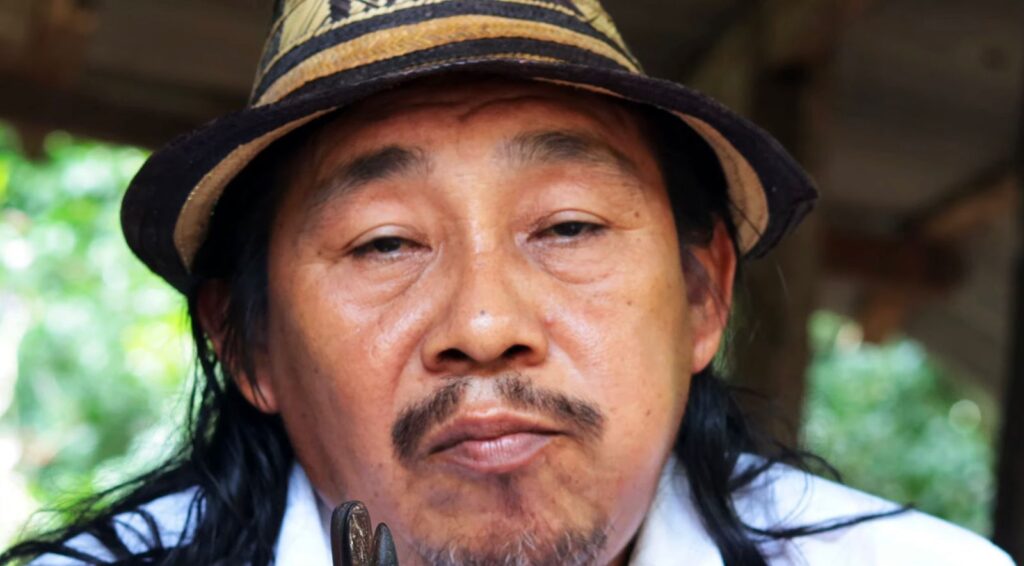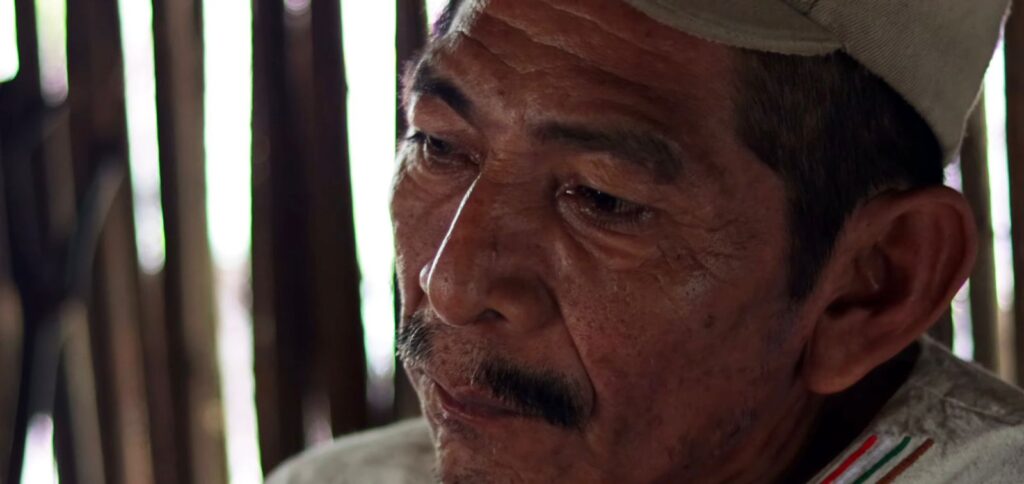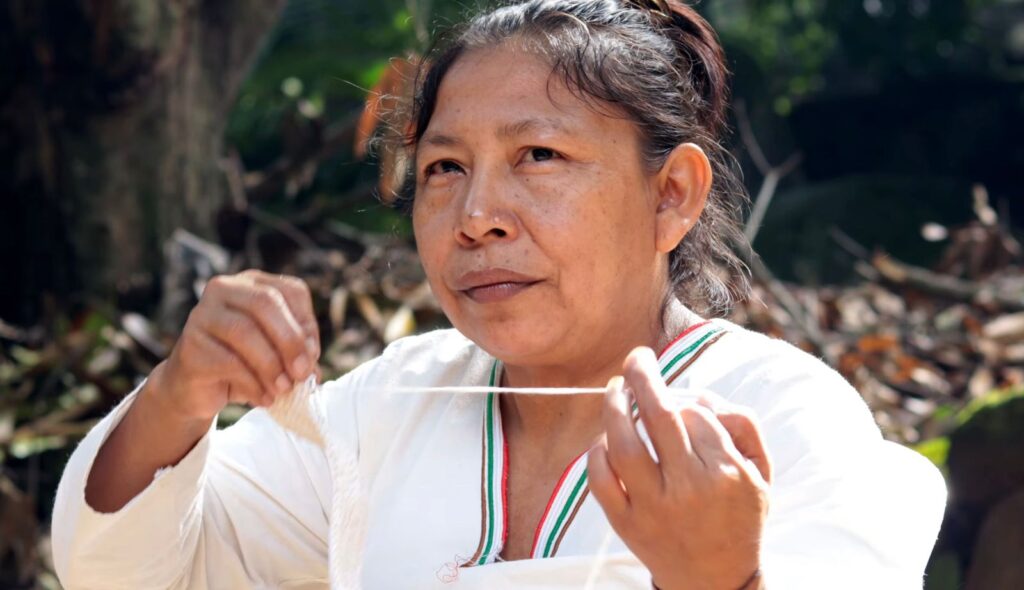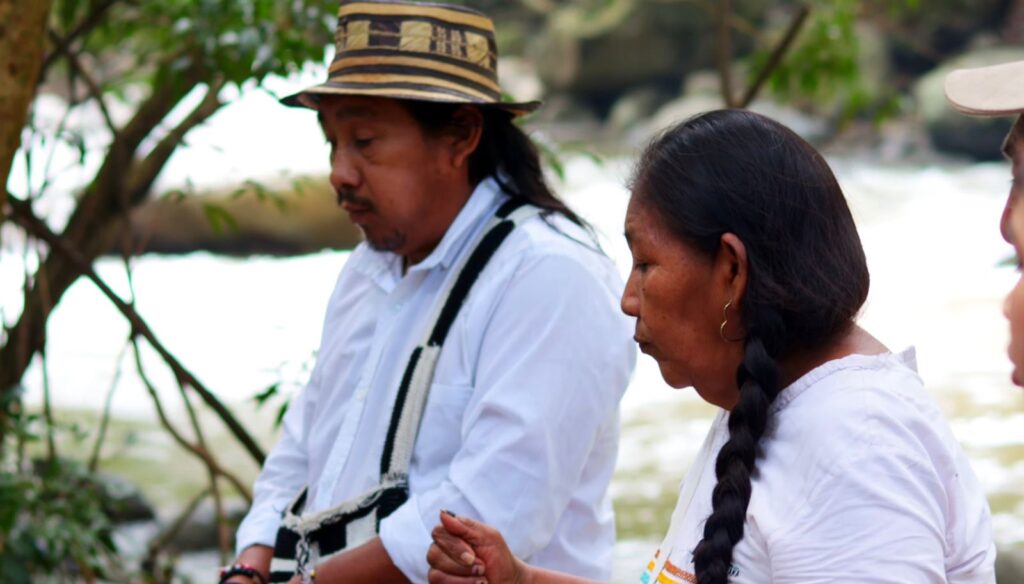
This conservation plan addresses the escalating wildfire crisis affecting the ETTE-ENNAKA Indigenous territory in the Colombian Andean mountains, where 5,000 Indigenous beneficiaries depend on 14,400 hectares of forest currently exposed to around 250 fire outbreaks per year caused by both climate stress and human activity. The problem is driven by prolonged droughts, rising temperatures, and the continued use of agricultural burning, which together accelerate forest degradation, soil depletion, biodiversity loss, and repeated encroachment into new forest areas. The plan is grounded in a clear territorial diagnosis and a differentiated gender analysis: ETTE-ENNAKA women and girls face intensified burdens during fire seasons because water scarcity increases collection distances and time, while also raising their exposure to harassment and sexual violence and reducing their opportunities for education, leadership, and income generation. Men and boys are also affected through crop losses, declining food security, and pressure to expand unsustainable land-use practices.
In response, we propose an integrated fire management and conservation model built on four mutually reinforcing strategies. First, the technical strategy will strengthen community-based wildfire control through gender-responsive brigades, early warning systems, georeferenced monitoring, firebreaks, ecological restoration, and AI-assisted risk analysis. Second, the educational strategy will build the capacities of youth, families, and schools in ancestral forest stewardship, safe fire management, restoration, and environmental monitoring. Third, the sustainability strategy will establish long-term Indigenous governance mechanisms, including an Environmental Secretariat under the Cabildo, to ensure continuity, local ownership, and adaptive management beyond external funding. Fourth, the communication strategy will mobilize communities through culturally grounded campaigns, school outreach, visual materials, and community reporting mechanisms that transform prevention into a shared territorial responsibility. Through this approach, we aim not only to reduce uncontrolled fires, but to reposition ETTE-ENNAKA leadership—especially women’s leadership—as the driving force of forest protection, climate resilience, and community safety.